There are different ways how we tend to handle feelings at work, and knowing your type will help you navigate them with more ease.
Picture a tense meeting. A decision went differently than the team hoped, a few voices got sharper than usual, people were stressed, and then everyone went back to their desks.
Four people walked out with the same feeling and handled it four different ways.
One opened a document and listed options for the next step. One felt drained for the rest of the afternoon, although the argument was not hers. One wrote in the team chat: "That was so frustrating, I could burst." And one said: "Okay, next time we do it better." Colleagues wondered whether it had touched him at all. It had.
The psychiatrist Dr. Judith Orloff describes these as four emotion types in her book Emotional Freedom: the Intellectual, the Empath, the Gusher and the Rock. In Emotional Intelligence in Action, our 8-week programme to learn emotional intelligence for teams and leaders, we use them a little exaggerated on purpose, because it is easier to recognise ourselves in a caricature than in a diagnosis. Most of us are a mix, depending on the situation, on how tired we are and on who else is in the room.
Meet the four emotion types
The Intellectual lives mostly in the head. Feelings are something to understand and solve, and a calm, factual conversation feels safest. They bring clarity and structure when others are heated, and they can overlook that someone is hurt, because the hurt is not on the agenda. Intellectual says nothing about how smart someone is, only about where feelings get handled: in the head. You may know one colleague who always focuses hard-core on facts, and it feels like there is no room for feelings.
I let AI create some pictures for each of the types and I liked them, so here is the first:

The Intellectual
The Empath feels a lot, and often feels what others feel. They notice a shift in mood, a change in tone, someone going quiet, and take it in as if it were their own. After a tense meeting they can be drained although they were not part of the argument. They notice what is not said, and they need a little time to sort out which part is theirs. You may know one as the colleague who asks you after the meeting how you are doing, and means it.
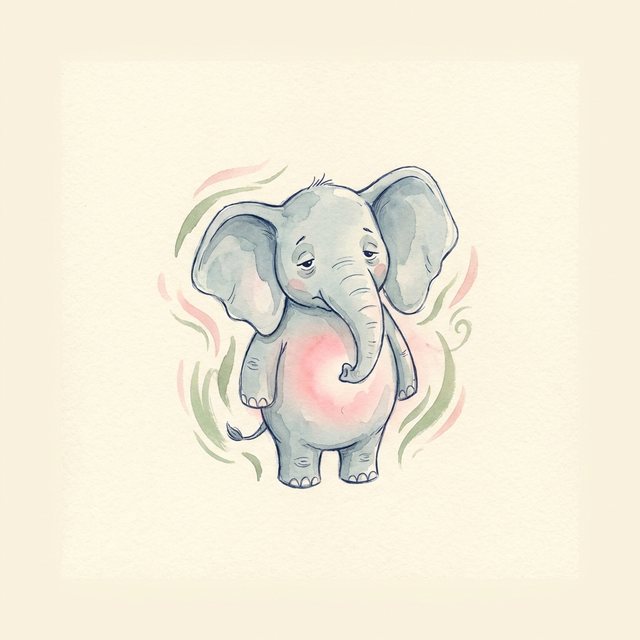
The Empath
The Gusher expresses feelings openly and needs to talk to process them. Feelings go out quickly, in words, often in the team chat and while still hot. They bring feelings to the surface early, before they turn into silence. What they need is a listener, and a long, intense flow of emotional talk can be a lot for the people around them. You may know one as the colleague who tells you right after the call how it went and how it felt.
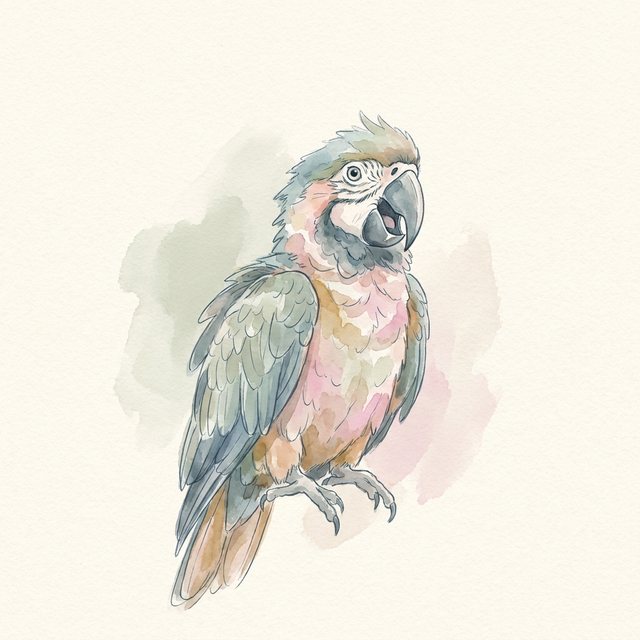
The Gusher
The Rock works feelings through alone and keeps them inside. Sometimes pushing them down. From the outside, calm and steady, and the team can rely on them not to panic. Colleagues often cannot tell what is going on inside. But what is important is that it did touch them, they just show up like a poker face to the outside. What a Rock needs is space and time, and sometimes one sentence of their own to let others in. You may know one as the colleague who says "Fine" after the meeting, and keeps working.
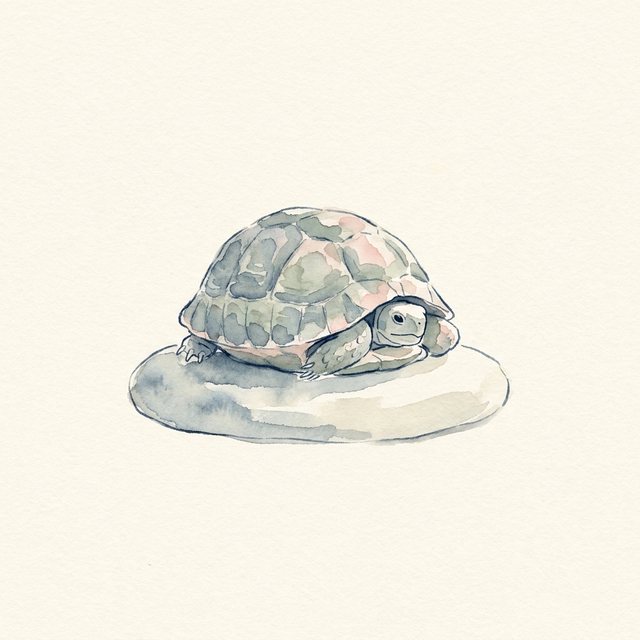
The Rock
There is nothing wrong with any of the types and you might recognize yourself in each of them. Most of us have some dominant strategies and I think it is helpful to know ourselves, what we need, and also seeing other people through these types, so that we take things less personally. Let us look at how these types interact.
When an Empath meets an Emotional Rock
After the tense meeting, the Rock says "All good" without smiling and goes back to work. The Empath senses that something is going on anyway, because the tension is still in the air, and has no way of checking. So the Empath carries it: reads the face, replays the meeting, perhaps asks a second time, "Are you sure you're okay?"
The Rock, who simply wants to work it through alone, feels watched and pulls back a little further. He might even be a bit annoyed by the distraction. The Empath reads the silence as confirmation that something is wrong. But not knowing makes them feel strange. Both want the best for the other, and both leave a little more tired.
The other combinations have their own versions. A factual tone from the Intellectual can feel cold to a Gusher. A long chat message full of feelings can feel like too much to a Rock. An Intellectual who jumps to solutions may not notice that someone is hurt. And an Empath who soaks up a Gusher's frustration can go home exhausted from a conversation that was never about them.
Nothing went wrong in any of these. Different handling met different handling. "She is handling it the way a Rock does" is a much easier sentence to live with than "She doesn't care."
What helps, type by type
Just some ideas, still with the example of people coming out of the tense meeting:
Intellectual: put one sentence asking about the (feeling) person before the solution. "That sounds like it hit you. Do you want ideas, or shall I listen first?"
Empath: notice where the tension sits in your body and ask how much of it is yours. With a Rock, say what you sense once and leave a door open: "I noticed the mood shifted. No need to talk about it now, I'm here if you'd like to."
Gusher: ask before you pour. "Do you have five minutes for me to vent?" Name the feeling in one sentence and say what you need: listening, advice or just company.
Rock: share one sentence of what it did to you, even if the rest stays with you. "This meeting felt a bit off, I think I need a day to process this." Your colleagues stop guessing, and you keep your way of processing.
For the whole team, one sentence for tense moments: "What would help right now: ideas, an ear, or some space?" It takes ten seconds, and no one has to explain their type.
I'm an Empath myself, so this one is personal. I pick up on a lot, and some days I feel it in my body after a tense call. 🫠
What I'd love you to take from this
If you have ever thought of a colleague as too cold, too dramatic, too much or too distant: most likely they are handling the same feeling you have, in the way that works for them.
The next time a colleague reacts differently than you would, you can try one small question before the judgement comes: which way of handling a feeling is this? Curiosity does a lot of work here, and it makes the room lighter for everyone, including you.
Whichever type you are, you belong at the table, and so do the others. A team can use all four. 🫰
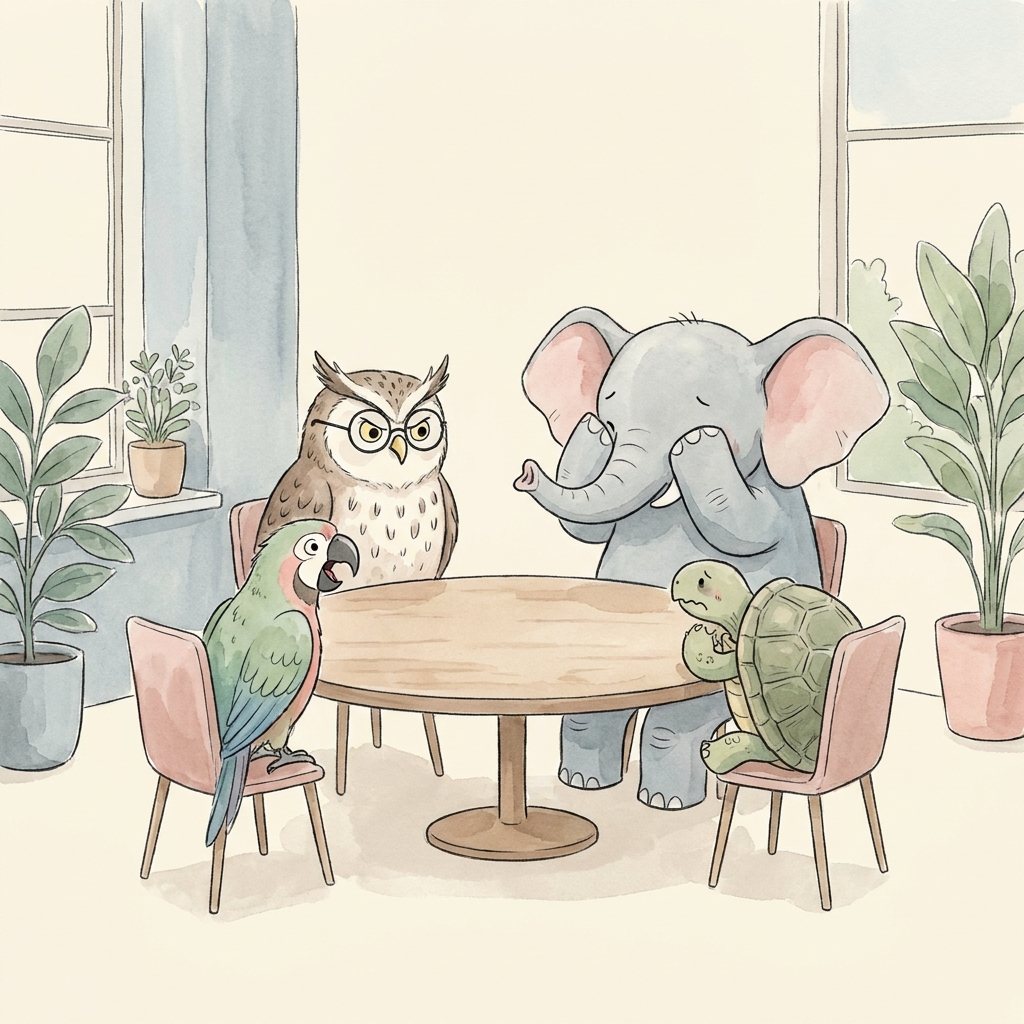
All four emotion types are needed in the workplace :)
Have a lovely day,