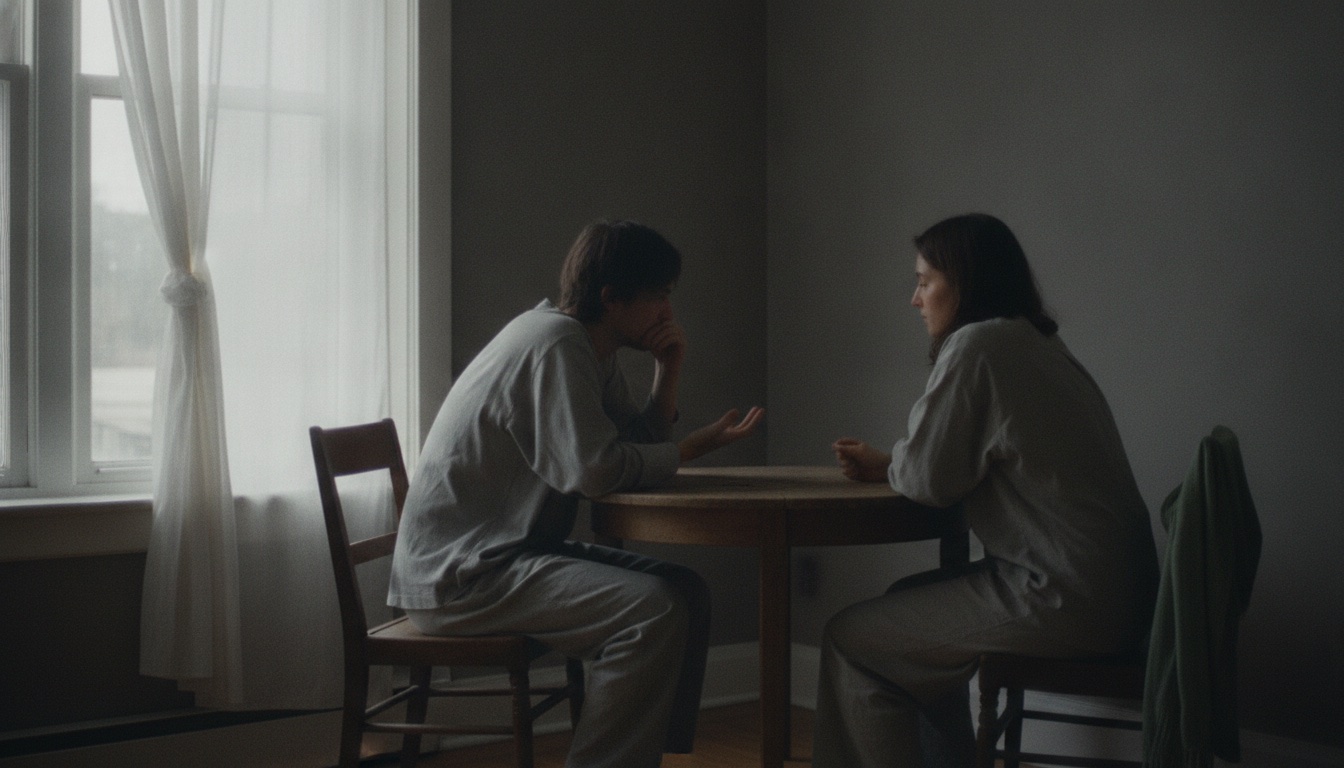
Avoiding conflict costs connection. Seven mindful tools to stay in the room during disagreement, without losing yourself or the other person.
Hello friends,
As an empath, I shied away from confrontation for a long time. I was afraid of not having the right arguments, of not being able to express myself clearly, of the uncomfortable emotions that come up when two people disagree. Eventually I understood something that changed how I saw it: avoiding conflict means avoiding showing up as ourselves in the world, and it can leave us treated like a doormat by the people around us. Conflict, handled with care, actually holds real potential for connection and belonging.
Mindfulness practice gave me a way to see conflict as something neutral, sometimes even positive. Today I want to share the tools I actually use, inspired in part by the writer Yung Pueblo.
Seven things to keep in mind when conflict arises
Listen to understand. Each person's perspective deserves to be heard without interruption. Try setting a timer for a few minutes each, so both people get uninterrupted space to explain themselves. It takes patience, but it's what lets you actually understand the other person, however unreasonable their view might seem to you at first.
Keep your ego out of it. Your ego will want to focus on your own interpretations and your response while the other person is still talking. The practice is to intentionally put your attention on their words instead, and to try to find compassion for where they're standing.
Be mindfully honest. Don't sugarcoat, but don't weaponise honesty either. Share how you really feel. Many of us avoid honesty out of fear, forgetting that it's often what brings people closer. Talk from your own perspective and your own feelings, without blaming or handing over responsibility for how you feel.
Separate facts from stories. It helps to name the difference out loud: "the story I'm telling myself about this is...". If someone arrives late to a meeting and you feel unappreciated, you might say: "when you're late, the story in my mind is that you don't value me." The fact is that they arrived late. Everything else is your interpretation of what that means.
See the other person as part of your team. Our egos love to create separation, and once we're in conflict, it's easy to start seeing the other person as the opponent. That just deepens the conflict. Even at your angriest, the person in front of you is a human being with their own struggles, who wants to be happy too.
Try to understand, not to win. Do you want to be right, or do you want to be happy? It's worth holding people accountable for their words and actions, but if you walk into conflict wanting to win, you've already lost something. Aim for connection instead. You get there by listening, by explaining your position mindfully, and by letting yourself be a little vulnerable.
Let it go. How many old conflicts are you still carrying? We get attached to things someone said or did days, months, or years ago, and it rarely helps us. Check in with yourself: are there leftover resentments quietly poisoning you from the inside? Try to remember the love or respect you once felt for the other person, and let whatever happened go.
Which of these do you already practice? And which one would change the most for you if you actually used it next time? I'd love to know.
Have a lovely day,


P.S. Vulnerability and emotional communication, including how to navigate conflict without losing the relationship, is Module 7 of our 8-week Emotional Intelligence in Action programme. Discovery Call is at cal.com/sophie-bachmann/discovery-call when you're ready.